Top 5 Must-Have Mods for Your 6.7 Cummins
The most effective upgrades to get power, towing confidence, and reliability from your 6.7L Cummins.
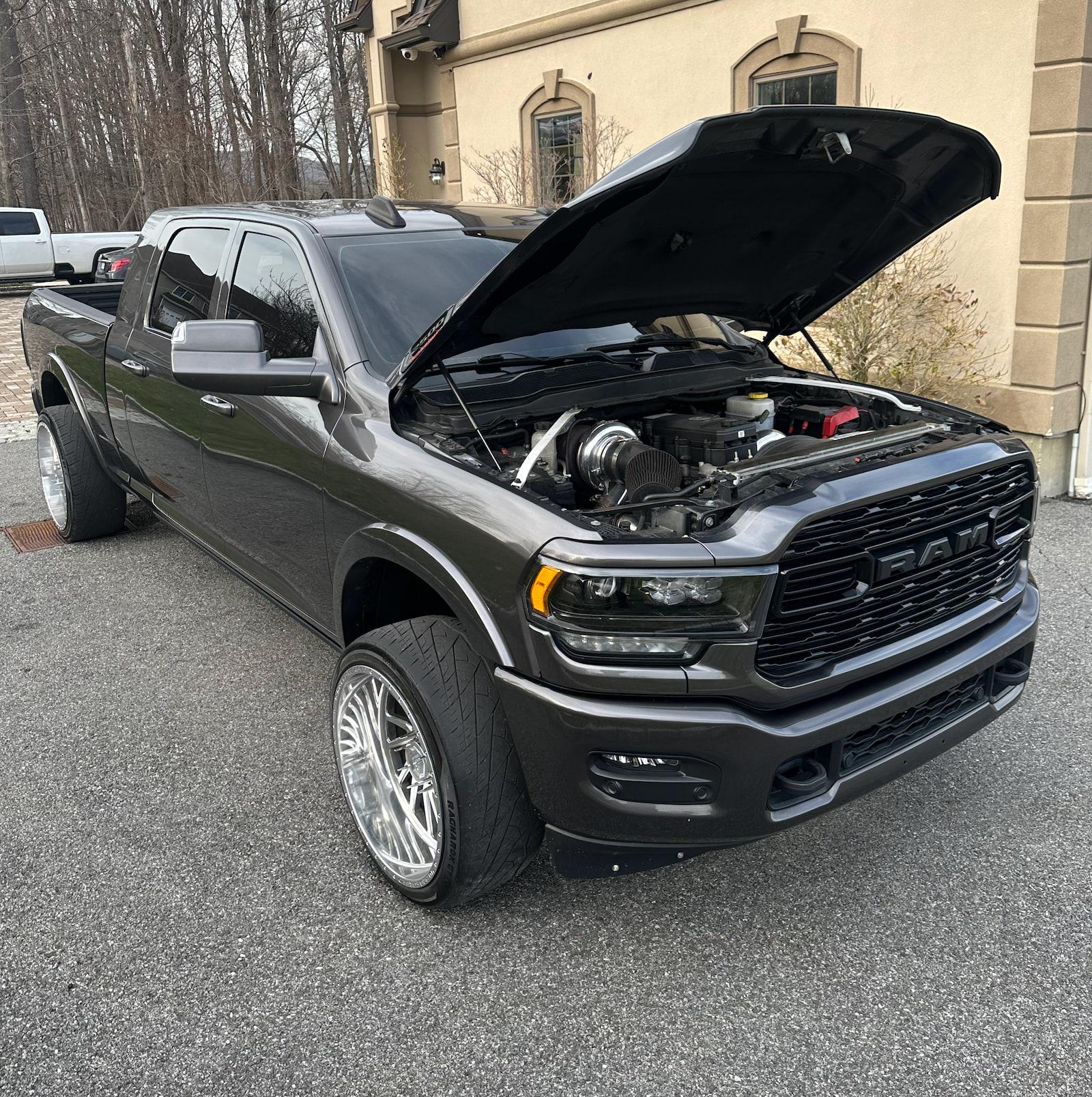
The 6.7L Cummins has earned its reputation as one of the most mod-friendly diesel platforms on the planet. Even in stock form it produces impressive torque numbers — Ram quotes 850 lb-ft on the late-model 6.7 — but there is a significant amount of power sitting just beneath the surface waiting to be unlocked with the right combination of parts. Understanding which upgrades work together, and in what order to install them, is the difference between a truck that performs flawlessly and one that leaves you stranded on the side of a mountain pass with a melted EGT probe.
The first and most important upgrade for any 6.7 build is a custom tune. Nothing else on this list delivers a higher return on investment. A quality EFILive or HP Tuner RTD calibration can add 150 to 200 horsepower and upward of 300 lb-ft of torque on a completely stock truck by optimizing injection timing, rail pressure, boost targets, and fueling tables that the factory intentionally dials back for emissions compliance and liability. Beyond raw numbers, a good tune cleans up throttle lag, improves part-throttle drivability, and reduces exhaust gas temperatures under load — which is the real measure of how hard your engine is working. Tuning is always step one because it tells you exactly what the rest of the build needs to support.
Second on the list is a high-flow cold-air intake combined with upgraded intercooler piping. The factory airbox on the 6.7 is genuinely restrictive — it was designed for noise attenuation and packaging, not performance. An open-element intake drops intake air temperatures and reduces restriction ahead of the turbocharger, allowing the compressor to move more air with less effort. Pair that with silicone or aluminized intercooler piping to replace the factory plastic boost tubes, which are notorious for expanding under high-boost conditions and blowing off at the worst possible moment. Neither upgrade alone is dramatic, but together they support the power your tune is commanding without creating a weak link.
Third is a FASS or AirDog lift pump. This is non-negotiable for any 6.7 that has been tuned above stock fueling levels. The factory CP3 or CP4 high-pressure fuel pump relies on adequate inlet pressure from the factory lift pump to function correctly. Push the tune to the point where fueling demand exceeds what the factory lift system can supply and you will experience injection events with inadequate rail pressure — which causes rough power delivery, injector erosion, and eventually catastrophic high-pressure pump failure. A dedicated frame-mounted lift pump delivers clean, vapor-free, consistently pressurized fuel to the high-pressure pump at all times, regardless of how hard you are towing or how aggressively the tune is demanding fuel.
Fourth is an upgraded exhaust system. A DPF-back 4-inch or 5-inch exhaust dramatically reduces backpressure downstream of the filter, lowers exhaust gas temperatures under load, and produces the deep, throaty sound that makes a diesel feel like what it is. For street-driven trucks, a DPF-back system is fully emissions-legal in all 50 states. The EGT reduction alone is worth the investment on a tow rig — lower exhaust temperatures mean less heat soak through the turbocharger and lower long-term wear on turbine blades. Pair the exhaust with an EGR cooler upgrade if you are planning to push power further down the road; the factory EGR cooler is a known failure point on higher-horsepower builds.
Fifth is a quality pyrometer and boost gauge setup. These are not power adders, but they are the most important investment you can make after the first four. A pyrometer measures exhaust gas temperature at the turbine inlet, which is your primary indicator of how hard the engine is working. A boost gauge shows you what the turbocharger is actually producing versus what the ECM is commanding. Running a built diesel without EGT data is like flying blind — you have no way of knowing when you are on the edge of a problem until the problem has already happened. Keep EGTs under 1,450°F sustained and under 1,600°F peak, watch boost numbers to confirm your turbocharger is healthy, and your 6.7 will reward you with hundreds of thousands of miles of hard use.